Elena Beck · 12 September 2026
The Intersection of Creative Design and Legal Protection in Modern Branding
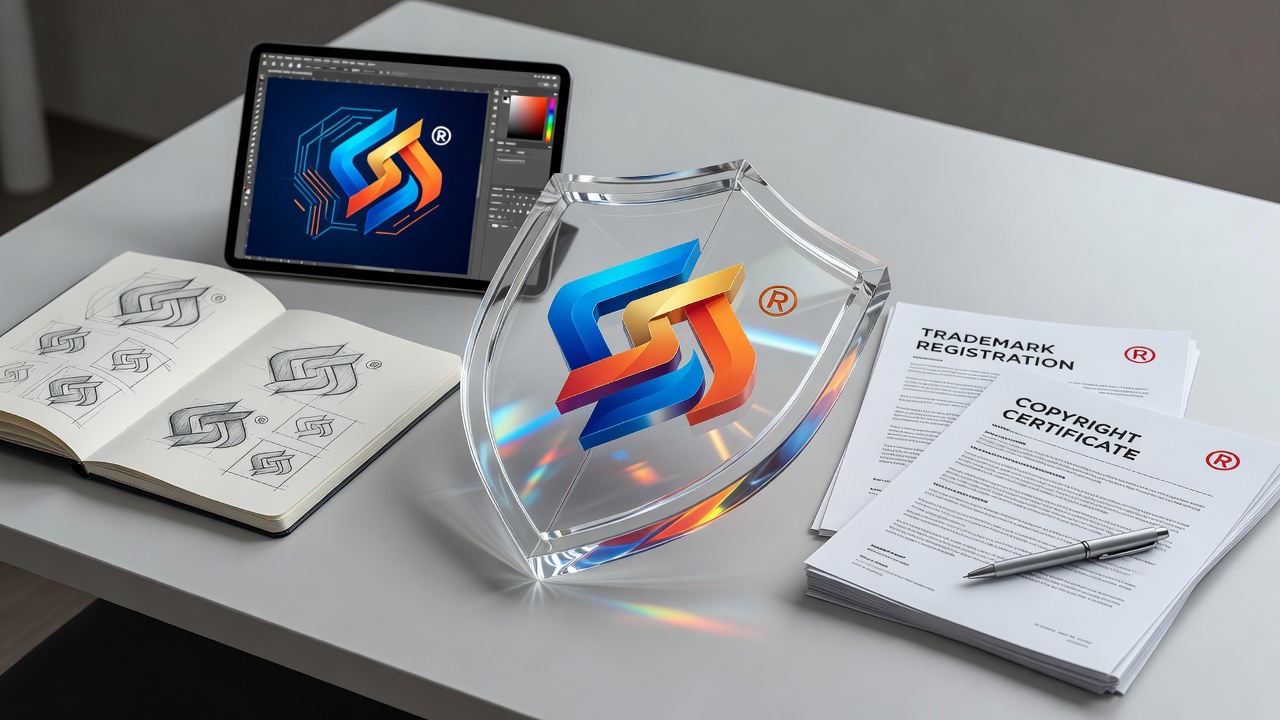
Modern branding relies on creative design choices that shape visual identities while navigating layers of legal frameworks designed to safeguard those assets. Companies invest in distinctive logos, color palettes, packaging structures, and digital interfaces because these elements differentiate products in crowded markets, yet protection under trademark, copyright, and design law determines whether those investments endure against competitors and copycats.
Core Elements of Creative Design in Branding
Design teams begin with research into consumer perception and market gaps before developing concepts that translate into tangible assets. Color combinations, typography selections, and iconography must align with brand values while remaining distinctive enough for legal registration. Packaging innovations, such as unique bottle shapes or fold patterns, add another dimension where form meets function and requires separate consideration under design protection statutes.
Digital branding extends these principles into websites, mobile applications, and social media templates where motion graphics and interactive elements appear. Observers note that successful campaigns often integrate consistent visual language across physical and virtual touchpoints, creating recognition that strengthens over repeated consumer exposure.
Legal Mechanisms Protecting Brand Assets
Trademark registration through offices such as the United States Patent and Trademark Office grants exclusive rights to use specific marks in commerce when they meet criteria for distinctiveness and non-descriptiveness. Copyright law automatically covers original artistic works including illustrations and graphic layouts, while design patents or registered community designs in other jurisdictions protect ornamental aspects of products for limited terms. International treaties coordinated by the World Intellectual Property Organization facilitate filings across multiple countries through streamlined procedures that reduce administrative duplication.
Enforcement actions rely on evidence of likelihood of confusion for trademarks or substantial similarity for copyrights. Courts examine factors including strength of the mark, proximity of goods, and marketing channels when disputes reach litigation. Data from intellectual property offices shows rising numbers of applications in consumer goods sectors where visual differentiation drives purchasing decisions.
Points of Intersection Between Design and Protection
Creative decisions directly influence the strength of legal claims. A highly stylized logo incorporating arbitrary elements receives broader trademark protection than a purely descriptive phrase paired with standard fonts. Similarly, designers who incorporate novel shapes or surface patterns position their work for design right registration, whereas generic forms fall outside eligibility thresholds.

Collaboration between design studios and legal counsel occurs at multiple stages. Early clearance searches identify existing registrations that could block new marks, while ongoing monitoring detects potential infringements before they erode market position. One study from IP Australia highlighted how companies that align design iteration cycles with filing timelines achieve faster registration outcomes and reduced opposition rates.
Digital platforms introduce additional considerations where user-generated content and algorithm-driven recommendations complicate traditional enforcement. Brands operating in September 2026 continue adapting to updated guidelines from multiple regional authorities that address deepfake misuse of visual identities and AI-generated derivatives of protected designs. Research indicates these developments prompt revisions to internal approval processes so that creative outputs remain defensible under evolving statutes.
Case Illustrations from Industry Practice
Documented disputes illustrate how design choices affect outcomes. A beverage company that adopted an unusual bottle contour succeeded in obtaining design protection after demonstrating the shape's non-functional and distinctive qualities. In contrast, attempts to claim rights over common color pairings in apparel sectors have faced rejection when evidence showed widespread prior use by others in the field.
Academic analyses from university research centers reveal patterns where brands investing in comprehensive design audits before launch experience fewer post-registration challenges. These audits examine both aesthetic appeal and legal registrability, producing documentation that supports enforcement when needed.
Emerging Trends and Future Considerations
Advances in generative design tools raise questions about authorship and ownership that intellectual property systems address through existing joint-work doctrines and assignment agreements. Industry reports from organizations such as the European Union Intellectual Property Office track growth in filings involving digital assets and augmented reality overlays, signaling continued expansion of protectable subject matter.
Supply chain transparency initiatives also intersect with branding when companies use unique visual markers to verify authenticity across global distribution networks. Those markers must satisfy both design novelty requirements and trademark functionality tests to maintain enforceability.
Conclusion
The relationship between creative design and legal protection in branding forms a continuous loop where each decision in one domain shapes possibilities in the other. Organizations that integrate these considerations from initial concept through registration and monitoring maintain stronger positions in competitive environments. Ongoing developments in technology and regulation require sustained attention from both designers and legal teams to preserve the value created through distinctive visual identities.