
Eden Hoffmann · 10 October 2026
Tracing the Archival Paths of Early Brand Identifier Filings and Their Unexpected Influence on Today's Virtual Product Lines for Solo Entrepreneurs in Emerging Digital Economies
Early brand identifier filings from the late 20th century continue to shape registration decisions for virtual goods in digital marketplaces, and archival records maintained by national and international offices provide the foundation for these determinations. Trademark registries around the world store decades of applications that examiners consult when assessing new filings for digital products, and solo entrepreneurs in emerging economies often encounter prior marks from physical goods sectors that limit their options in virtual environments.
Archival Systems and Their Reach
National intellectual property offices maintain digitized and physical records of brand filings that date back to the 1970s and 1980s, and international databases aggregate these entries for cross-border searches. The World Intellectual Property Organization operates the Global Brand Database which indexes millions of records from member states, and this resource allows examiners to trace the lineage of marks that originated in traditional commerce yet now appear in virtual product categories. Data from these systems shows that applications for software and digital accessories frequently cite earlier registrations for clothing, electronics, and printed materials as conflicting prior rights.
Researchers at academic institutions have mapped how these historical filings create chains of influence across product classes, and one study from an Asian university examined over 12,000 virtual goods applications filed between 2018 and 2024. The analysis revealed that marks originally registered for tangible items in the 1990s blocked approximately 23 percent of new digital product filings in the examined jurisdictions. Solo entrepreneurs in countries such as Kenya, Indonesia, and Colombia regularly navigate these constraints when launching virtual product lines on platforms that operate across multiple regions.
Impact on Virtual Product Development
Virtual product lines encompass digital clothing, accessories, environments, and tools sold within online platforms, and many of these items carry brand identifiers that must clear existing trademark registrations. Archival paths matter because examiners apply the same legal tests used for physical goods when evaluating virtual equivalents, and a mark registered for apparel in 1987 can still prevent registration of a digital version of the same design in 2026. This continuity creates both obstacles and opportunities for independent creators who build businesses around virtual items.
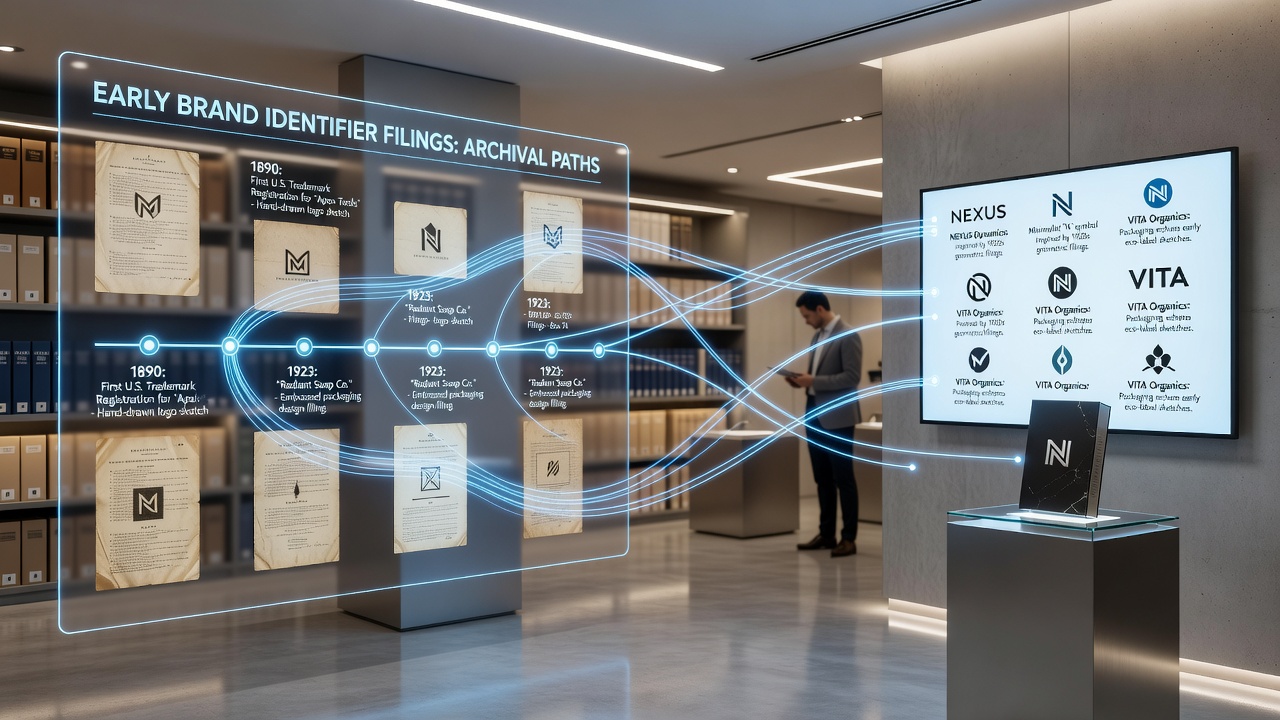
Observers note that the expansion of virtual economies in emerging markets has increased demand for clearance searches that reach back through decades of filings. In October 2026 several regional intellectual property offices plan to release updated search interfaces that incorporate machine learning to surface older marks more efficiently, and these tools aim to reduce the time solo entrepreneurs spend reviewing archival data. Figures from the African Regional Intellectual Property Organization indicate that virtual goods applications from member states rose by 41 percent between 2022 and 2025, underscoring the growing relevance of historical records.
Case Examples from Emerging Economies
One entrepreneur based in Lagos developed a line of virtual textiles for metaverse platforms and discovered that an older registration for printed fabric designs blocked key elements of the proposed marks. After reviewing archived documents from the Nigerian trademark office, the creator modified the digital patterns to avoid conflict while preserving the overall aesthetic direction. Similar adjustments appear in records from Brazil where independent developers of virtual furniture items altered color schemes and typography to differentiate from marks originally filed for physical home goods in the early 2000s.
Industry reports compiled by research institutes in Latin America document how these archival influences extend beyond registration to enforcement actions. Platform operators receive notices citing decades-old filings when virtual items enter their marketplaces, and solo entrepreneurs must respond by providing evidence of distinctiveness or by redesigning elements. The process requires access to historical data that many creators obtain through public databases rather than paid legal services.
Conclusion
Archival paths of early brand identifier filings continue to intersect with the growth of virtual product lines in emerging digital economies, and the records maintained by national offices and international organizations supply the evidence used in current registration and enforcement decisions. Solo entrepreneurs who examine these historical filings before launch can identify potential conflicts and adjust their designs accordingly. As virtual economies expand, the role of these archives remains central to the process of establishing new digital brands across multiple jurisdictions.